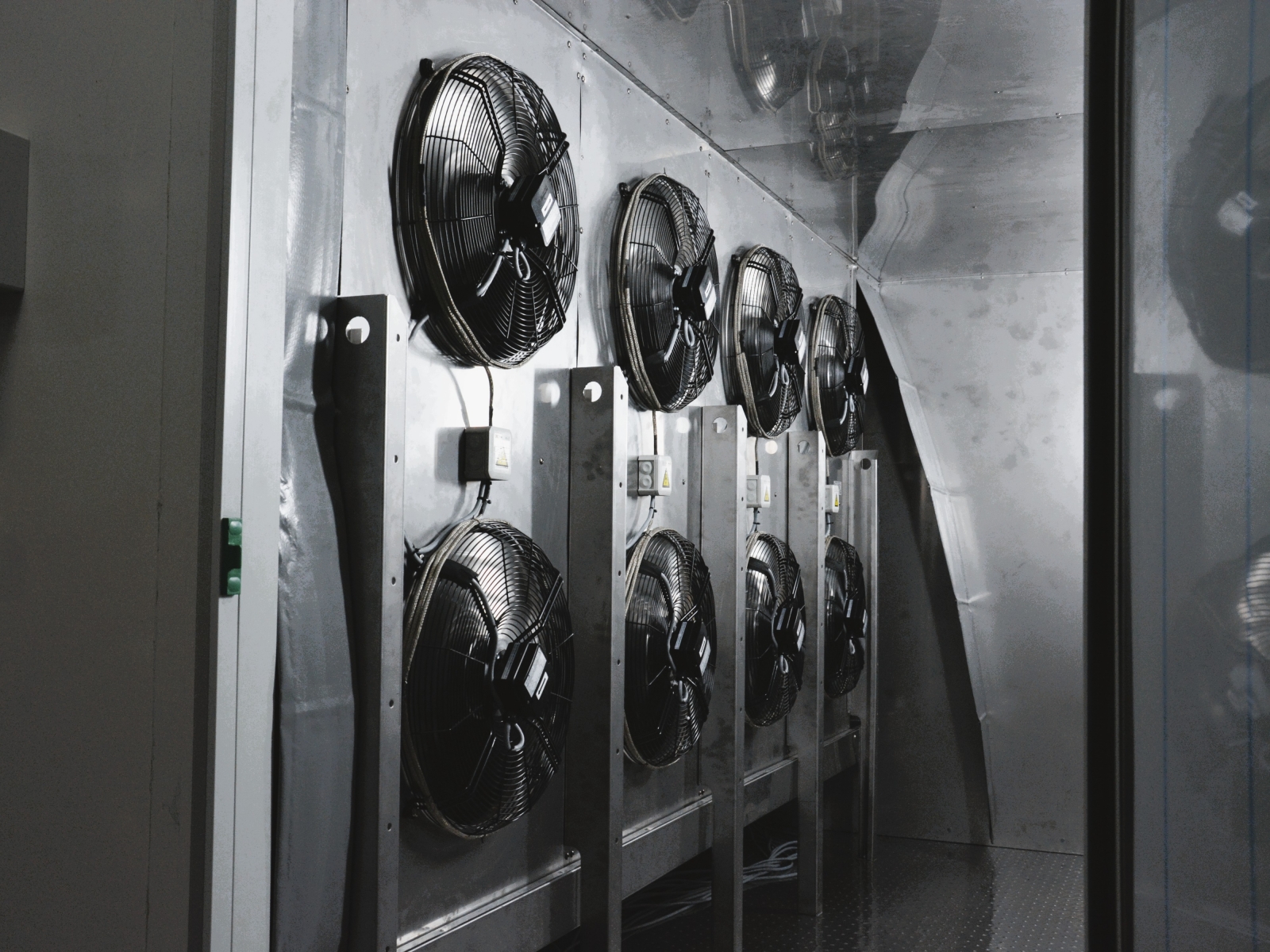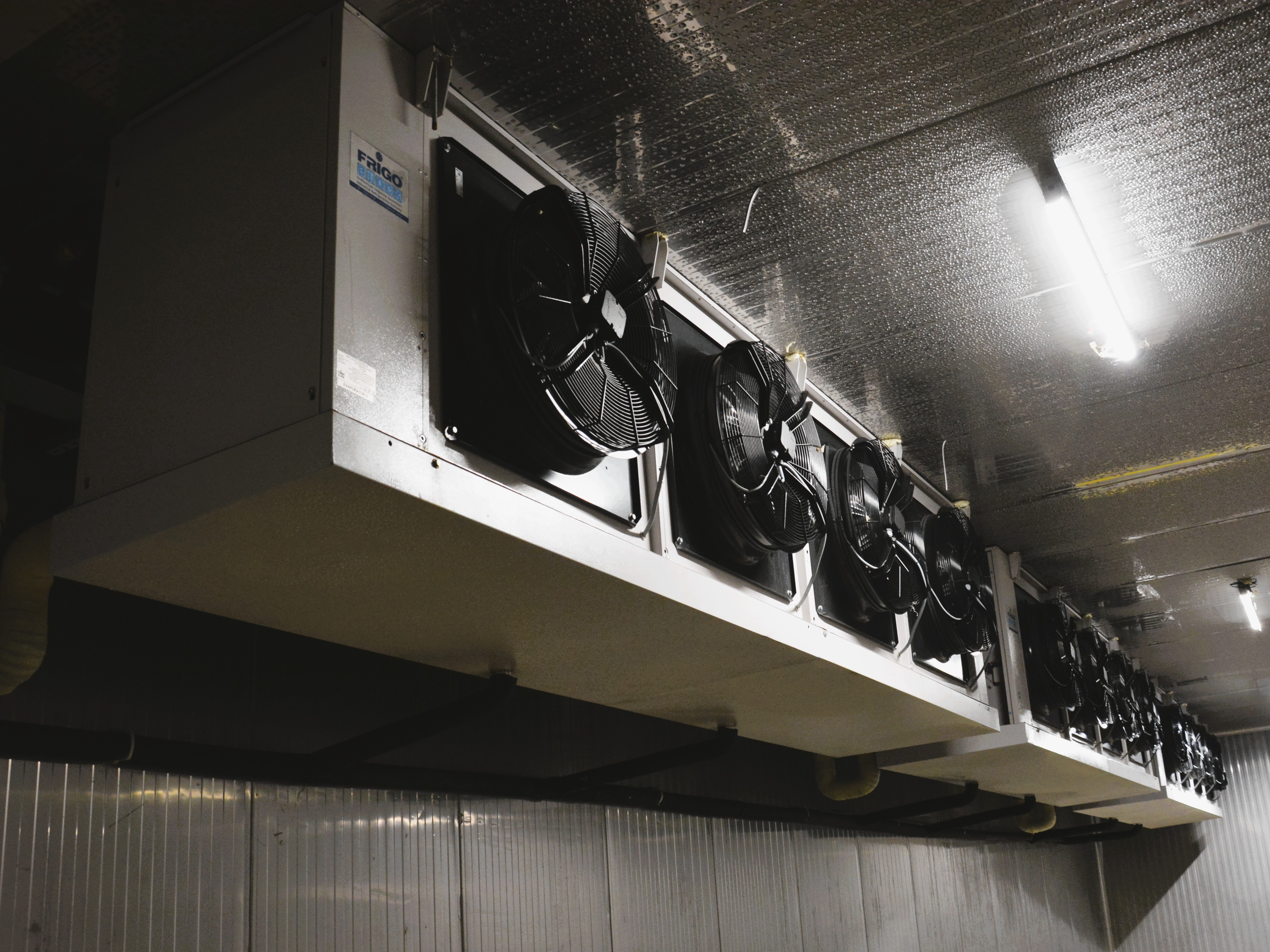


Classification of Cold Storage Systems
Cold storage systems play a critical role in preserving product quality, extending shelf life, and maintaining the continuity of the cold chain across food, agriculture, and industrial production processes. Depending on the product type, process stage, and targeted storage duration, different cold storage systems are used.
In this article, we examine in detail the main classifications of cold storage systems, including pre-cooling rooms, chilled storage rooms, frozen storage rooms, and blast freezing (quick freezing) rooms.
Pre-Cooling Rooms
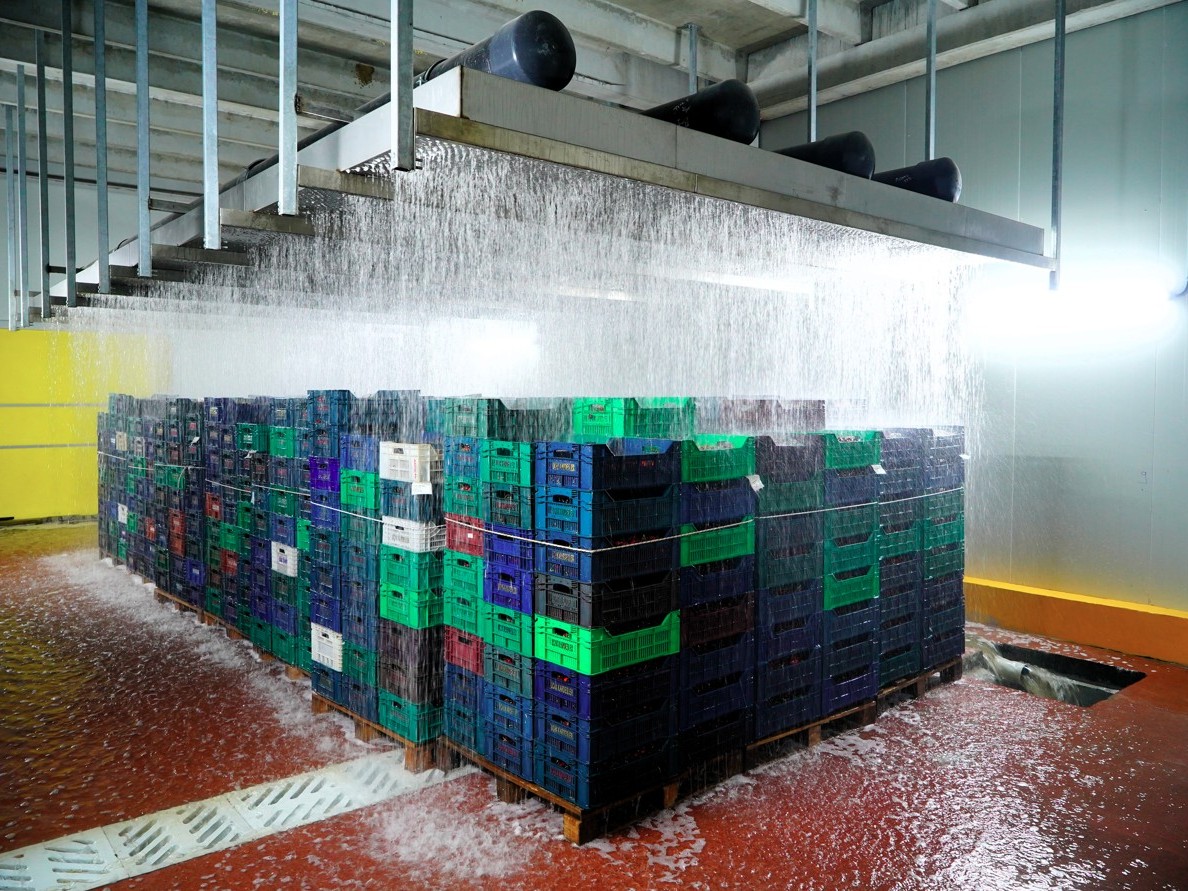
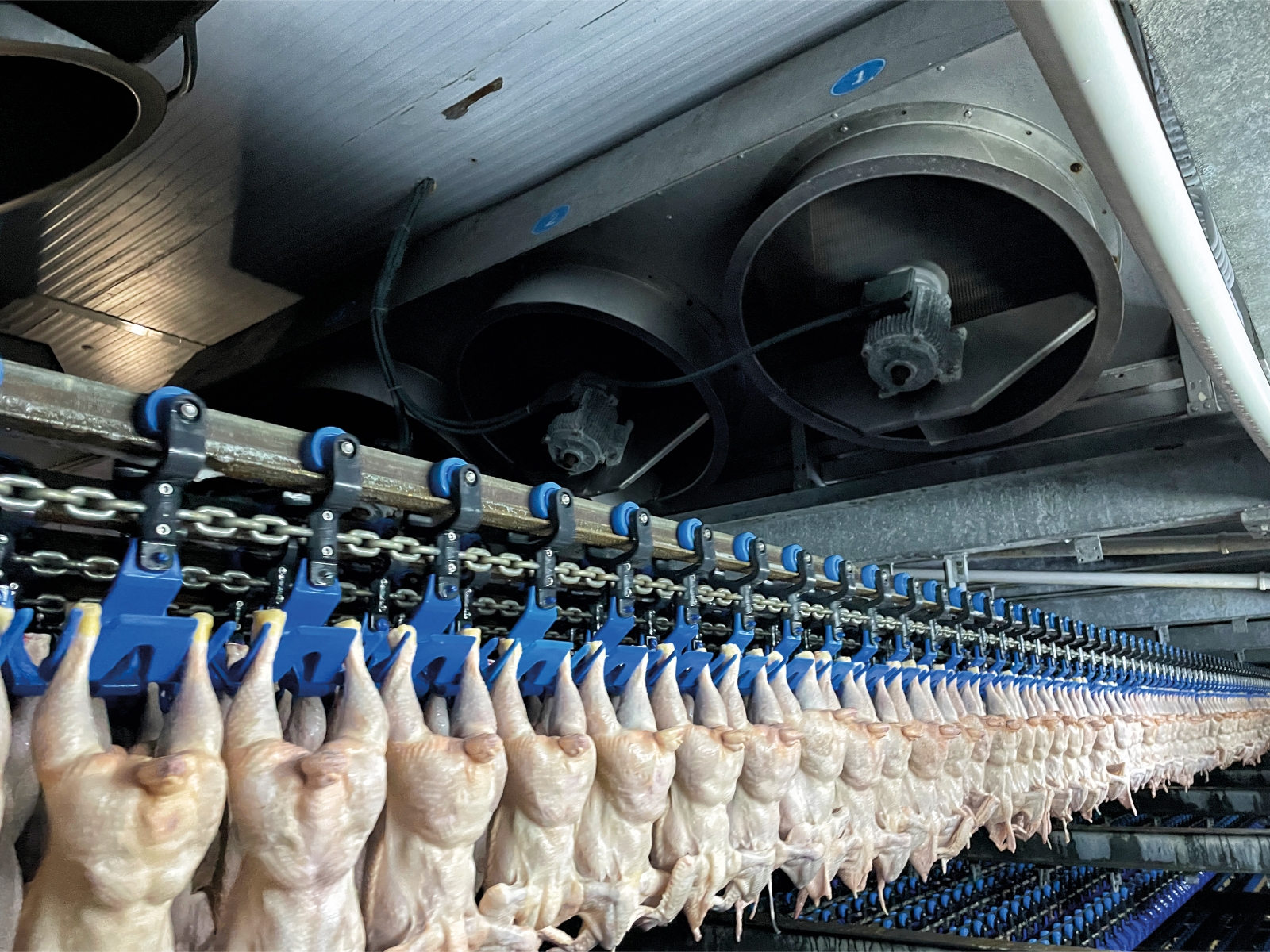
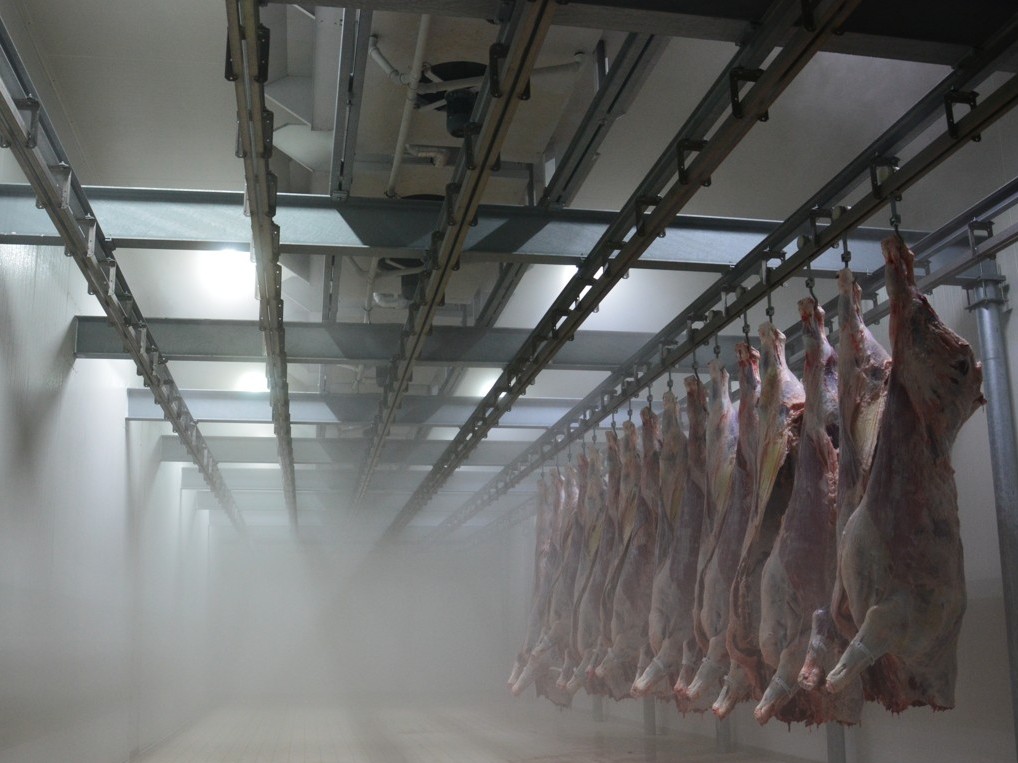
Pre-cooling rooms are specialized cooling areas designed to rapidly reduce the core temperature of harvested or produced goods before they are transferred to the main cold storage. The high temperature that products retain immediately after leaving the field, slaughter line, or processing area is one of the primary causes of quality loss.
If the core temperature is not reduced quickly enough;
- Respiration and spoilage rates increase,
- Microbial growth accelerates,
- Softening and moisture loss occur in the product structure,
- Energy consumption rises in the subsequent stages of the cold chain.
The main objective of pre-cooling rooms is to reduce the product’s core temperature to the optimal storage value in the shortest possible time, thereby preventing quality losses.
Application Areas
- Fresh fruits and vegetables,
- Meat and poultry products after slaughter,
- Dairy products (post-process pre-cooling),
- Seafood.
Advantages
- Preservation of product freshness and extended shelf life,
- Reduced cooling load on the main cold storage,
- Improved energy efficiency,
- Quality standardization throughout the supply chain,
- Ensuring ideal product temperature before processing or packaging.
Pre-cooling is one of the most critical stages determining product quality, particularly in the fruit and vegetable and poultry sectors. A properly designed pre-cooling room with the correct capacity directly enhances the performance of the entire cold chain.
Chilled/Cold/Medium Temperature Storage Rooms
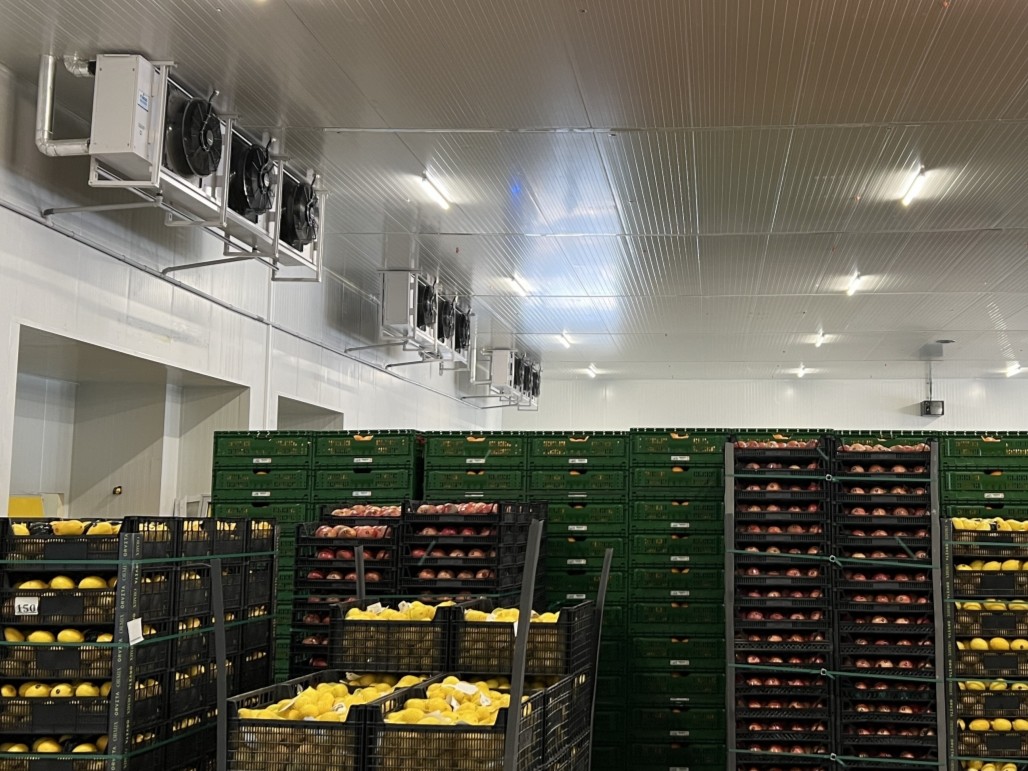
Chilled storage rooms typically operate between +2 °C and +8 °C, and in some applications can reach temperatures of up to +10 °C. These rooms allow products to be stored fresh without freezing.
The primary purpose of chilled storage is to slow down microorganism growth, delay chemical reactions and spoilage, and preserve products in a condition as close as possible to their original freshness for longer periods.
These systems offer ideal solutions for short- and medium-term storage needs.
Which applications is it suitable for?
- Supermarkets and retail chains,
- Distribution centers with short-term storage requirements,
- Dairy and dairy processing facilities,
- Delicatessen businesses and fresh fruit and vegetable processors,
- Facilities requiring temporary storage before the production line.
Frozen/Low Temperature Storage Rooms
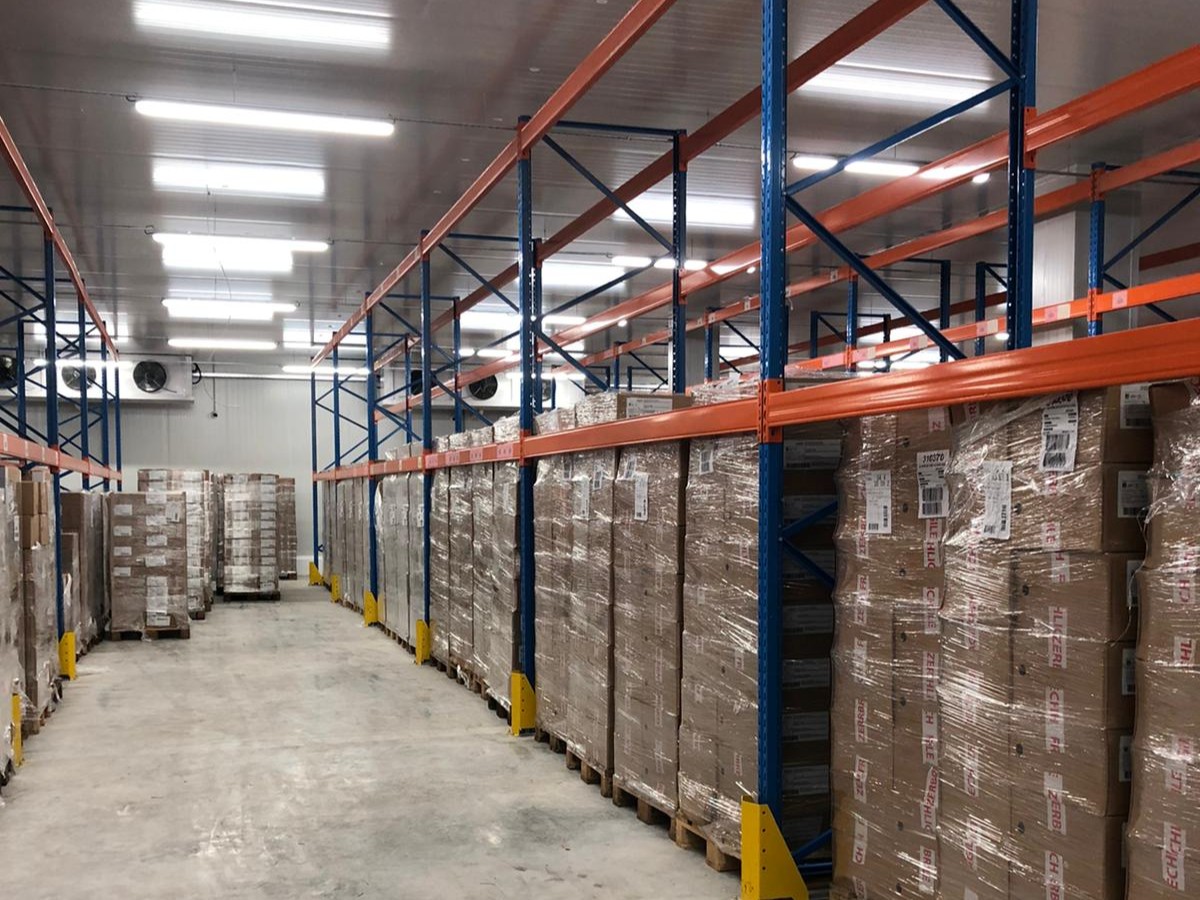
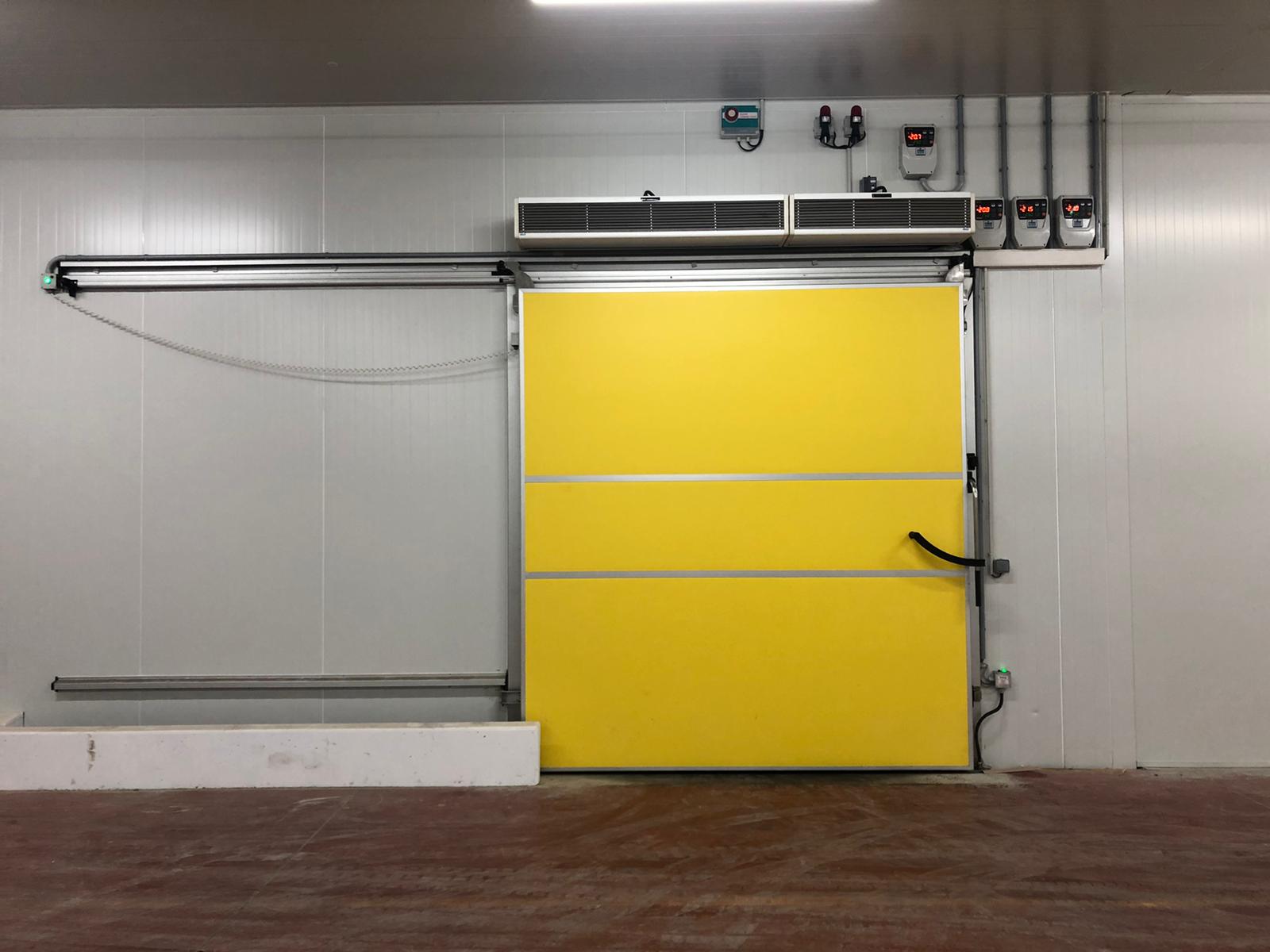
Frozen storage rooms are low-temperature storage systems that typically operate at -18 °C and below, and can reach levels of -20 °C, -25 °C, or even -30 °C.
In these rooms, the moisture inside the product freezes, almost completely stopping microbial activity and chemical changes. This enables products to be safely stored for long periods.
Which applications is it suitable for?
- Frozen food manufacturers,
- Companies processing and storing meat and seafood,
- Logistics and distribution centers with long-term storage needs.
Blast Freezing / Quick Freezing Rooms
Blast freezing rooms are specialized systems designed to freeze products in a very short time, immediately after they leave the production line. For example, the goal is to reduce the product’s core temperature to –18 °C within a short period of 4–7 hours.
This rapid freezing process is critical for preserving the cellular structure, texture, and nutritional value of food. It is especially preferred for products with high quality sensitivity.
Which applications is it suitable for?
- Facilities that transfer products directly from production to frozen product lines,
- Companies exporting frozen products,
- Manufacturers of meat, seafood, legumes, fruits and vegetables, and cooked products.
A properly designed blast freezing system maximizes product quality
while increasing market competitiveness in frozen food products.